The Lease Should Come With a Privacy Policy: Renters and the Smart Building Problem
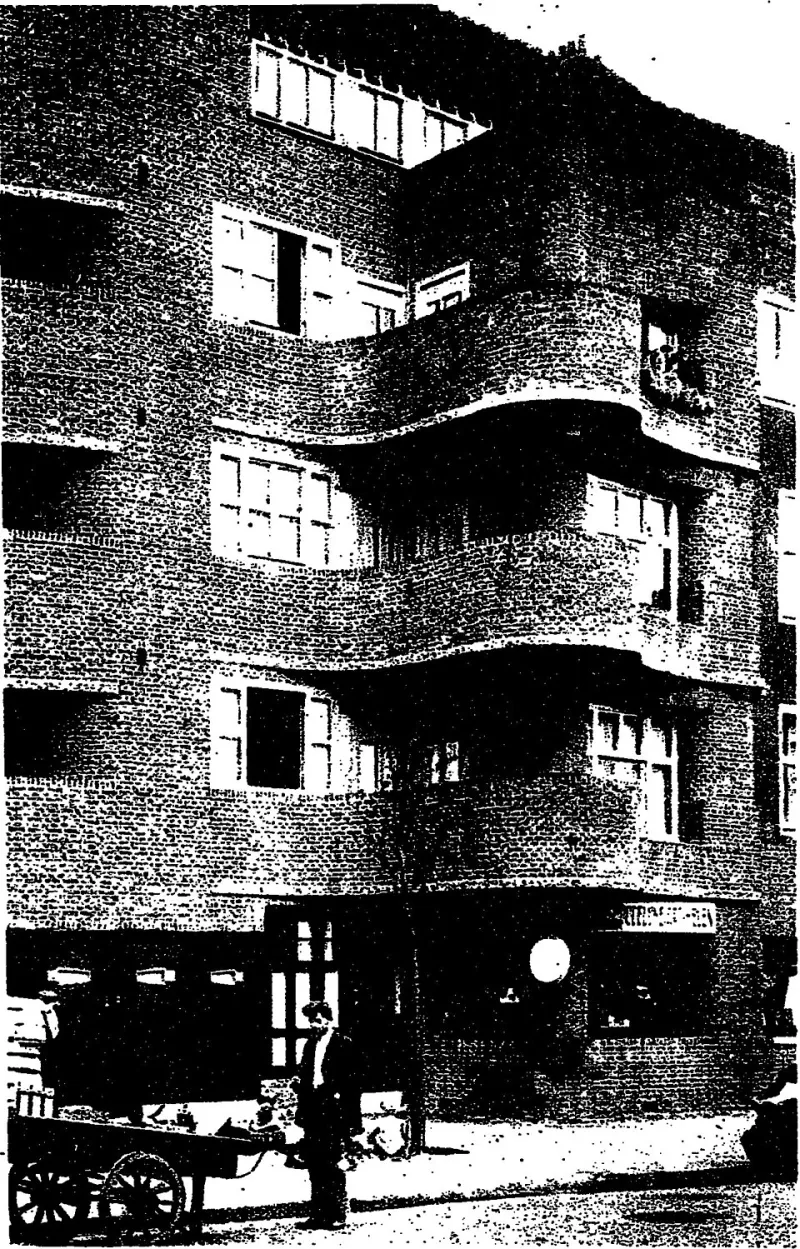
Photo: Burton Holmes, Public domain, via Wikimedia Commons
There is a quiet asymmetry at the heart of American housing. A homeowner who installs a smart lock or a connected thermostat makes a choice about their own data, on their own property, governed by their own judgment. A renter who moves into a modern apartment building often has no such choice. The smart locks, the app-based entry, the fob that logs every trip to the gym — all of it came with the lease, and none of it came with meaningful consent.
This is a problem that deserves more attention than it gets.
The Invisible Logbook
Consider what a typical smart building actually knows. Key fob and app-entry systems record when your door opens and closes, effectively documenting when you leave for work, when you return, whether you were home on Tuesday night. Package rooms log your deliveries. Amenity spaces track your comings and goings. Submetered utilities can reveal when you shower, cook, and sleep, down to intervals of minutes. App-controlled thermostats — increasingly mandated by landlords rather than chosen by tenants — report occupancy patterns back to property management platforms.
Individually, each data point seems trivial. Assembled, they form something remarkably intimate: a portrait of a person's life inside their own home, held not by that person but by their landlord and whatever vendors the landlord has contracted.
Why Renters Have Less Protection
Homeowners at least control the devices on their property and can read a manufacturer's privacy policy before buying. Renters face a different reality. There is no comprehensive federal privacy law governing this data, and state protections are patchwork at best. Lease agreements frequently include broad clauses permitting "building operations" data collection — language few tenants read and fewer negotiate. Unlike a homeowner, a tenant cannot simply uninstall the smart lock; refusing entry to a landlord's systems can itself create lease complications.
The practical consequence is that a class of Americans is living under continuous, low-grade monitoring that they did not choose and cannot easily opt out of. That should trouble us regardless of how benign any individual landlord's intentions may be. Data collected for "building operations" today can be sold to a proptech analytics firm tomorrow, subpoenaed in a dispute, or exposed in a breach of a vendor's systems — and vendors of building-access platforms have been breached before.
What Tenants Should Ask Before Signing
The answer is not to reject technology in housing but to demand transparency about it. Prospective tenants can and should ask pointed questions:
- What data does the building collect about unit access, utilities, and in-unit devices, and who owns it?
- Is access logging used for anything beyond security and maintenance, such as marketing, analytics, or lease enforcement?
- Can I use a physical key instead of an app or fob, and if not, why?
- Who are the third-party vendors involved, and what are their data retention and sharing policies?
- Will I be notified if my data is requested by law enforcement or disclosed in a breach?
A landlord who cannot or will not answer these questions is telling you something worth knowing.
Toward a Fairer Default
Legislators in a handful of states have begun addressing landlord surveillance — Illinois, for example, has restricted landlords from using smart devices to monitor tenants' homes — but these efforts remain the exception. Until the law catches up, the burden falls on renters to ask, and on the proptech industry to justify why a person's presence in their own apartment should be a data product at all. The lease governs the terms of tenancy. It ought to govern the terms of surveillance, too.