Every Swipe of Your Loyalty Card Builds a Portrait You Never Agreed to Sit For
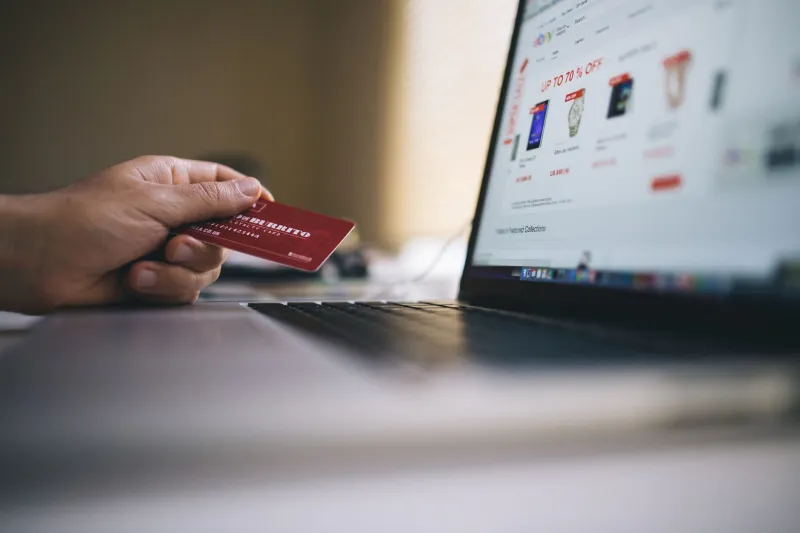
The promise is straightforward: hand over your phone number at checkout, accumulate points, and eventually redeem them for a discount on groceries, a free hotel night, or a percentage off your next oil change. For millions of Americans, loyalty programs feel like a reasonable trade — a small slice of personal information in exchange for tangible savings.
What most cardholders do not realize is that the reward is not the product. The data is.
What a Loyalty Program Actually Collects
On the surface, a retail rewards account captures the basics: your name, email address, phone number, and a running log of what you buy. That already sounds like a lot, but it represents only the outermost layer of what these programs are engineered to gather.
Over time, purchase histories reveal far more than shopping preferences. A pattern of prenatal vitamins, infant formula, and newborn clothing tells a grocery chain — with considerable accuracy — that a customer is pregnant or has recently given birth. Frequent purchases of low-sodium foods, blood-pressure monitors, and specific over-the-counter medications suggest cardiovascular concerns. Bulk buying of alcohol, irregular shopping hours, or sudden shifts in spending categories can signal life disruptions ranging from job loss to divorce.
Location data adds another dimension entirely. Many loyalty apps request — and receive — continuous access to a device's GPS. That means the retailer is not only tracking what you buy inside its stores but also where you travel between visits: which competing stores you frequent, which medical offices you enter, which places of worship you attend, and how often you visit certain addresses that might correspond to a second household.
Combined, these data streams form what researchers in consumer analytics call a behavioral graph — a living, continuously updated model of who you are, what you need, and what you are likely to do next.
The Data Broker Pipeline
Retailers rarely keep this information to themselves. The loyalty-program industry has developed extensive commercial relationships with data brokers — intermediaries whose entire business model depends on aggregating consumer records from dozens of sources and reselling the enriched profiles to advertisers, insurers, lenders, employers, and political campaigns.
When your grocery chain sells or licenses your purchase history to a data broker, that broker cross-references it against records from pharmacy chains, credit card networks, public property registries, social media platforms, and other loyalty ecosystems. The result is a composite profile that no single source could have assembled alone.
A profile of that kind might include your estimated household income, inferred medical conditions, political leanings, religious affiliation, relationship status, number of children, pet ownership, and likelihood of making a major purchase within the next ninety days. None of this requires your explicit consent under current federal law, provided the retailer disclosed data-sharing practices somewhere in a terms-of-service document that virtually no consumer reads.
California, Virginia, Colorado, and a growing number of other states have enacted privacy legislation that grants residents some rights over this process, including the ability to opt out of data sales. But federal protections remain limited, and enforcement is uneven.
The Household Effect
One of the more underappreciated consequences of loyalty-program data collection is what it reveals about people who never enrolled. When a cardholder shops consistently for a household, the purchasing pattern exposes the preferences, health status, and routines of every person living under that roof — including children and elderly relatives who made no data-sharing agreement with anyone.
Retailers have acknowledged in internal documents and academic partnerships that household-level inference is one of the most commercially valuable outputs of loyalty analytics. Knowing that a household includes a teenager approaching driving age, an adult managing a chronic illness, or an elderly resident with mobility limitations allows advertisers to target not just the cardholder but the entire economic unit that cardholder represents.
Practical Steps to Participate Without Surrendering Your Profile
Abandoning loyalty programs entirely is one option, but for many Americans the financial benefit is genuine and meaningful. A more measured approach involves limiting exposure without eliminating participation.
Use a dedicated email address. Create a separate email account used exclusively for loyalty registrations. This prevents retailers from linking your rewards activity to your primary inbox, which may already be connected to banking, healthcare, and social media accounts.
Decline location permissions. When installing a retail app, deny location access or restrict it to "only while using the app." Most loyalty functions — scanning a barcode, checking a points balance, redeeming a coupon — do not require background location tracking. Granting it serves the retailer, not the consumer.
Use a phone number strategically. Google Voice and similar services allow you to create a secondary phone number that can receive SMS verification codes without being tied to your primary carrier account or identity.
Review privacy settings annually. Major retail loyalty platforms typically include a privacy dashboard where enrolled members can review what data has been collected and, in applicable states, submit requests to delete or limit the sale of that data. These options are rarely advertised prominently, but they exist.
Read the data-sharing section of the terms of service. It is the section most consumers skip. Phrases like "trusted third-party partners" and "service providers" are the language retailers use to describe data-broker relationships. If a program's terms include broad sharing permissions with no opt-out mechanism, that is material information.
Consider paying cash for sensitive categories. For purchases related to health, reproductive choices, or financial difficulty, cash transactions leave no loyalty-program trail. The inconvenience is minor compared to the potential consequences of that data appearing in a broker's profile.
The Regulatory Horizon
Lawmakers in Washington have introduced several comprehensive federal privacy bills in recent sessions, though none has yet cleared both chambers. Consumer advocacy organizations continue to press for opt-in consent requirements — meaning companies would need your affirmative permission before selling your data, rather than burying an opt-out in fine print.
Until federal standards are in place, the burden of managing loyalty-program exposure falls largely on individual consumers. That is an imperfect arrangement, but understanding the mechanics of how these programs operate is the first and most important step toward making informed decisions about participation.
The discount is real. So is the data it costs you. Knowing what you are actually paying changes the calculation entirely.