When a Security Code Becomes a Handoff: The OTP Scam Americans Keep Meeting
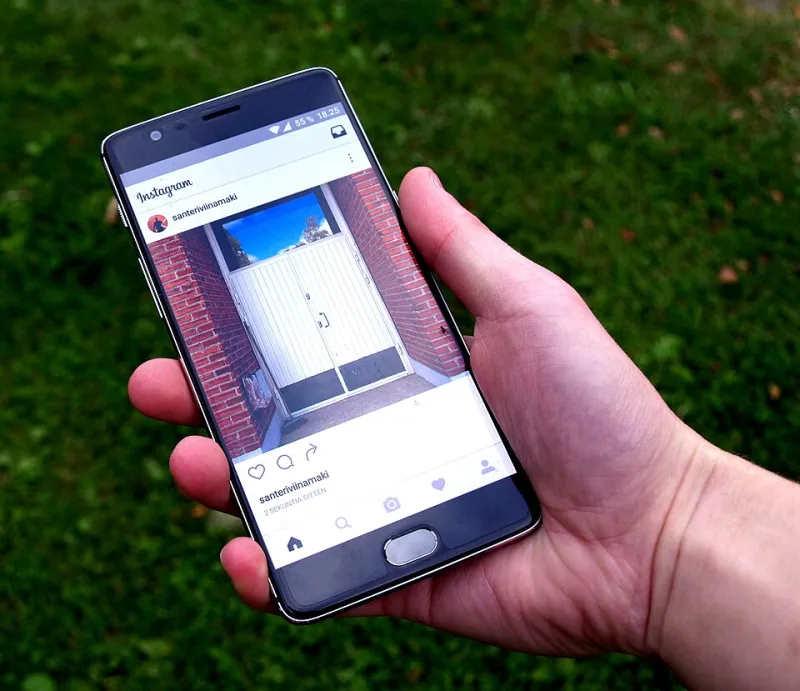
Photo: Santeri Viinamäki (both photo and screenshot), CC BY-SA 4.0, via Wikimedia Commons
The message usually arrives at an inconvenient moment. A bank alert, a delivery notice or a password-reset warning appears on the phone, followed by a six-digit code. Then comes the call: a calm voice from the fraud department, explaining that something suspicious is happening and that the code is needed to secure the account. The request sounds procedural. It sounds helpful. It is also the exact moment when a second factor stops being a second factor.
One-time passcodes, often called OTPs, are a familiar part of online life in the US. Banks, email providers, social networks and workplace systems send them by text message or email as an extra check after a password. The idea is simple: even if someone steals a password, they should not be able to log in without the code that only the account holder can receive. The weakness is not the math behind the code. It is the human moment in which the code is read aloud, typed into the wrong page or forwarded to the wrong person.
The Fake Login That Waits for the Code
Many OTP scams begin with a phishing page that looks like a real sign-in screen. A victim may arrive through a text message, a search ad, a social media link or an email that appears to come from a known company. The page asks for a username and password, then asks for the code. What the victim does not see is the relay happening behind the page. The attacker may be entering the stolen credentials into the real service at the same time and using the victim's code to complete the login. The code expires quickly, which is why the scam is designed to create urgency.
This is not a failure of the victim's intelligence. Phishing pages can copy logos, colors and wording closely. Mobile browsers can hide the full web address. A person who is tired, distracted or worried about a real account problem is exactly the person the scam is built to catch. The better question is not why someone typed a code into the wrong page, but why so many services still rely on a code that can be copied and pasted by anyone who asks for it.
The SIM-Swap Version
A second pattern involves the phone number itself. In a SIM-swap scheme, an attacker persuades or tricks a mobile carrier into moving a victim's number to a new SIM card or device. Once that happens, calls and texts meant for the victim may go to the attacker. The victim may notice a sudden loss of service, but by then the attacker may already be resetting passwords and intercepting OTPs. Carriers have added security measures in recent years, and the details vary by provider, but the basic risk remains: a phone number is not a vault.
SIM-swap attacks are often aimed at high-value accounts, but the warning applies more broadly. Anyone who uses text-message codes as the only second factor is relying on a channel that can be diverted. That does not mean every text code is unsafe. It means the code is only one layer, and it should not be treated as proof of identity on its own.
Why the Urgent Call Works
Scammers borrow authority. They spoof caller ID so the number looks like a bank's real line. They use industry language about fraud alerts, verification and account locks. They may already know part of a victim's personal information from a breach, which makes the call sound more credible. The goal is to move the conversation from the victim's own judgment to the caller's script.
A genuine security department may contact a customer about suspicious activity, but it should not ask for a one-time code read aloud over the phone. That request is the tell. A code is meant to be entered by the account holder into the service's own login page, not dictated to a person who called unexpectedly. The same rule applies to codes sent by email or generated in an app. If someone asks for the code, the safest move is to stop the conversation and contact the company through a number or app the customer already trusts.
App Codes and Passkeys Change the Picture
App-based authenticators and passkeys are not perfect, but they change the risk in important ways. An authenticator app generates codes on the device and is not tied to the mobile number, so a SIM swap does not automatically hand over the code. Passkeys go further by using cryptographic keys stored on a device, which makes them resistant to the classic phishing page that asks a person to type a code into a fake site. A passkey can still be lost if the device is compromised or account recovery is weak, but it removes the easy handoff that scammers rely on.
That is why security professionals increasingly recommend moving away from text-message codes for important accounts. The transition takes time, and not every service supports passkeys yet. In the meantime, a text code is better than no second factor at all. The point is to understand its limits.
Spotting the Moment Without Blaming the Victim
A few signals are worth remembering. An unexpected code is a reason to pause, not a reason to share. A caller who creates urgency and asks for the code is a reason to hang up. A link that leads to a login page should be checked against the service's official app or a manually typed address. A sudden loss of cell service should prompt a call to the carrier from another phone or a support chat, not a click on a text message.
None of this makes a person foolish for being targeted. Scams are designed to work on ordinary attention. The useful response is to slow the moment down. Never read a one-time code aloud to someone who contacted you. Use an authenticator app or passkey where available. Add a carrier account PIN if the provider offers one. And remember that a security code is not a password, a badge or a proof of identity. It is a key. The only person who should turn it is the person who owns the lock.