When Your Doorbell Starts Keeping Files on the Neighbors
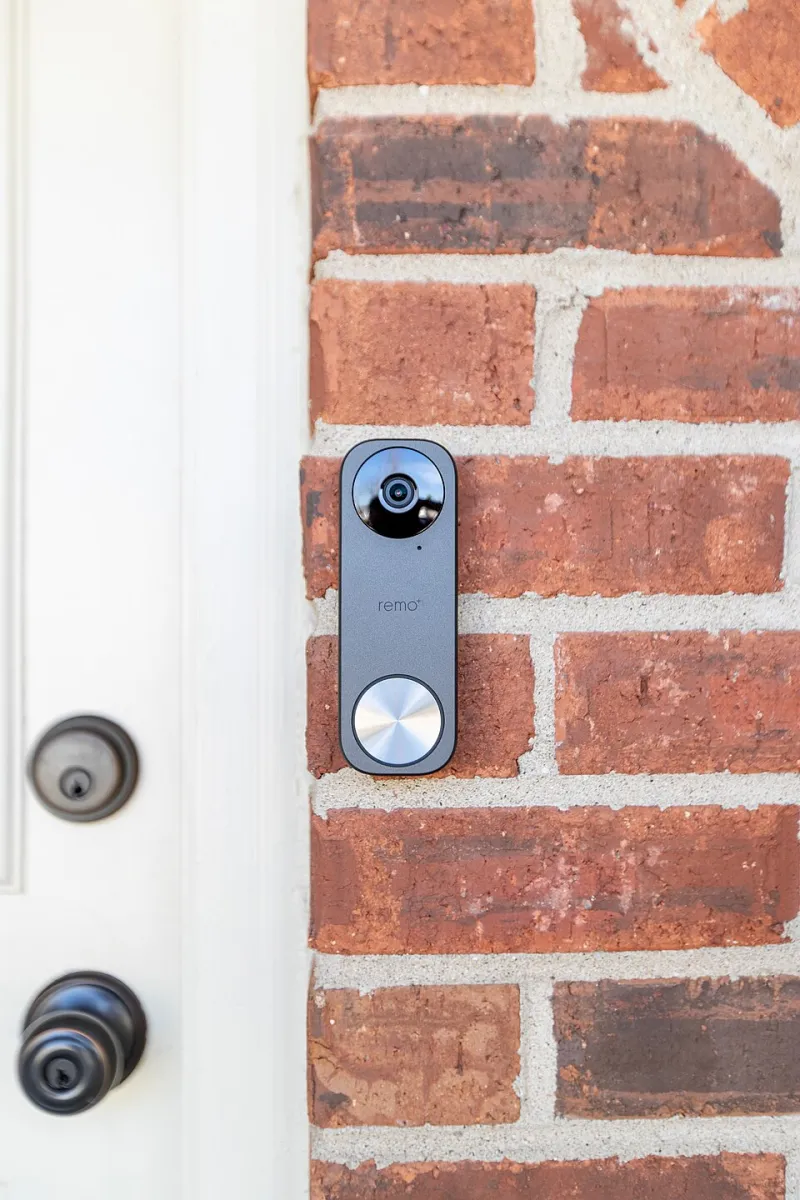
Photo: C05731, CC BY-SA 4.0, via Wikimedia Commons
Smart doorbells have become as ordinary a fixture on American homes as the mailbox. Roughly one in three US households now has some form of video doorbell, drawn by package alerts, remote viewing, and the simple comfort of seeing who is at the door. But the devices record far more than visitors — and the footage often travels much farther than homeowners expect.
Here are five realities worth knowing before you screw one in above the door.
1. The Camera Does Not Respect Property Lines
A doorbell pointed at your porch also captures the sidewalk, the street, the neighbor's driveway, and everyone who passes through the frame. In most US jurisdictions, recording video of publicly visible areas from your own property is legal — but that legality does not change the fact that your security device is building a continuous record of your neighbors' daily routines. Whoever walks past, whether they consented or not, ends up in your cloud storage.
2. Your Footage May Be Shared With Police — With or Without You
Several major doorbell manufacturers have operated programs allowing law enforcement to request footage directly from users through in-app alerts, and to obtain video through partnerships with local police departments. Some jurisdictions have curtailed these arrangements after public pushback, but the underlying dynamic remains: footage stored on a company's servers is footage a court order — or a company policy change — can reach. If controlling who sees your recordings matters to you, examine the manufacturer's law-enforcement transparency reports and privacy policy before buying.
3. Neighborhood Watch Apps Create a Different Kind of Surveillance
Doorbell footage routinely gets uploaded to community apps and neighborhood social networks, where a clipped, context-free recording of a stranger can circulate to thousands of nearby households in minutes. Researchers have repeatedly documented how these feeds amplify suspicion of innocent behavior — a person walking past twice becomes "the guy casing houses." The net effect can be a distributed, volunteer-run surveillance network with no oversight and no appeals process for the people captured in it.
4. The Devices Themselves Can Be Attacked
A doorbell is a small internet-connected computer with a microphone, a camera, and a view of your entryway. Weak or reused passwords, unpatched firmware, and hijacked accounts have all enabled strangers to talk through people's doorbells or view their live feeds. Securing one is not optional: a unique password, two-factor authentication, and automatic firmware updates are the minimum baseline.
5. Audio Recording Is a Separate Legal Question
Video of a public sidewalk is one thing; audio is another. Many states — Washington, Florida, California, and Illinois among them — are "two-party consent" states where recording private conversations without the agreement of everyone involved can violate wiretapping laws. A doorbell with a sensitive microphone can inadvertently capture conversations it has no business recording, and the homeowner, not the manufacturer, may bear that legal exposure.
What a Thoughtful Homeowner Should Do
None of this means smart doorbells are a mistake. It means they deserve the same deliberation as any other security decision. Angle the camera to minimize neighbor exposure where possible, enable motion zones that exclude public areas, review the vendor's data-sharing practices, lock down the account, and think twice before posting clips to neighborhood apps. A device meant to make your home safer should not quietly make your street less private.